
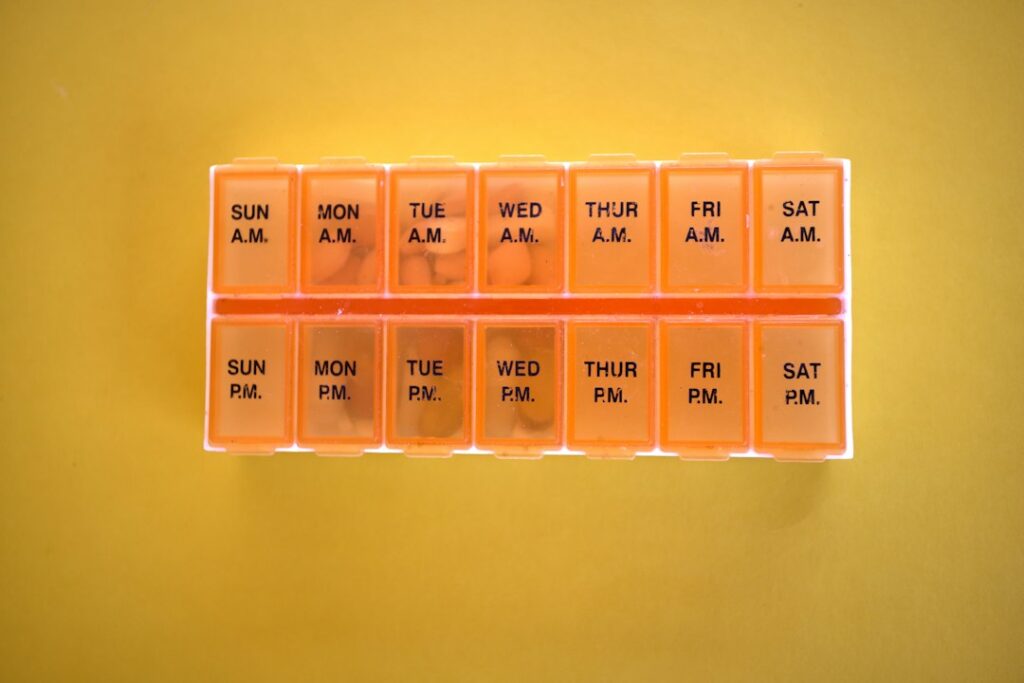
Medication management is one of the most structured parts of assisted living. In Berwyn, PA, residents may receive reminders, help organizing medications, or full medication administration depending on their health needs, abilities, prescriptions, and individualized support plan.
The goal is to help residents take the right medication, in the right amount, at the right time, while preserving as much independence as safely possible.
What does medication management include?
Medication management is more than handing someone a pill. It generally includes reviewing prescriptions, storing medications securely, providing reminders or assistance, documenting doses, and responding to changes or problems.
Depending on the resident’s needs, medication support may involve:
- Reminding a resident that it is time to take a medication
- Bringing medication to the resident
- Opening a medication container
- Storing medication in a secure location
- Administering oral, topical, eye, ear, or nose medications
- Giving insulin or emergency medications when staff meet required training standards
- Recording whether a dose was given, refused, held, or missed
- Reporting possible side effects or medication errors
The exact level of assistance should be based on an assessment rather than assumed from a person’s age or diagnosis.
Can a resident self-administer medications?
Yes. Assisted living does not automatically mean that staff must control every medication. A resident may be able to self-administer if the person can recognize the medication, understand how much to take, and know when to take it.
In Pennsylvania assisted living residences, a resident who wants to self-administer medications generally needs an assessment by an authorized medical practitioner. The assessment helps determine whether self-administration is safe and whether reminders are needed.
A resident may still receive limited assistance and remain classified as self-administering. For example, staff may remind the resident of the schedule, bring the medication, open the container, or store the medication securely. The resident must still be able to understand and take the medication as directed.
Self-administration is not necessarily permanent. It may be reassessed annually or after a significant change in health, memory, vision, dexterity, or judgment.
What happens if a resident cannot safely self-administer?
If a resident cannot safely manage medications independently, the assisted living residence provides medication administration or arranges it according to the resident’s support plan.
Pennsylvania rules allow certain licensed professionals and properly trained staff to administer specific types of medications. Staff who administer medications must meet applicable training and competency requirements. Additional education is required for unlicensed staff who administer insulin.
Medication administration generally requires staff to verify the correct resident, medication, dose, route, and time. Staff also need to follow any instructions related to food, vital signs, blood sugar readings, or other conditions attached to the prescription.
The support plan should describe the assistance required. A resident who needs help with only morning medications may have a different plan from someone who requires assistance throughout the day.
How are medications stored?
Medications that staff manage are kept in secured storage with limited access. This protects against theft, accidental use, contamination, mix-ups, and improper sharing.
A resident who self-administers may be permitted to keep medications in the living unit if the medications are stored safely and securely. A lockable drawer, cabinet, or storage container may be used when needed. A current medication list should be maintained in the resident’s record.
Medications prescribed for one resident should not be given to another resident. Prescription medications should also be supplied and labeled according to the prescriber’s instructions.
This storage system can matter during seasonal disruptions. In the Berwyn area, winter storms, power interruptions, and holiday travel can affect routines. Families may reasonably ask how the residence maintains medication supplies, handles delayed deliveries, and manages prescriptions during an emergency.
How are doses documented?
Assisted living residences use medication records to document medication administration and assistance. The record may show that a dose was given, refused, missed, held according to instructions, or unavailable.
Documentation helps staff identify patterns and investigate problems. For example, repeated refusals may indicate nausea, confusion, swallowing difficulty, or an unwanted side effect. A missed dose may require instructions from the prescriber rather than an assumption that the medication should simply be given later.
Families can ask how the residence handles:
- Medication refusals
- Missed or late doses
- Medication errors
- Controlled substances
- Changes in prescription orders
- Over-the-counter medications
- Vitamins and supplements
- Medications brought from outside the residence

A clear process should explain who is notified, what is documented, and when a medical practitioner is contacted.
How are prescriptions changed after a hospital visit?
Medication lists often change after hospitalization, a specialist visit, an urgent care visit, or a new diagnosis. The assisted living residence should have a process for receiving updated orders, discontinuing medications, starting new prescriptions, and updating the medication record.
Families can help by making sure the residence receives discharge instructions and current medication information promptly. It is also useful to tell staff about medications prescribed by multiple clinicians, including over-the-counter products and supplements.
A medication reconciliation review is especially helpful after a transition of care. This process compares the medications the resident was taking before the visit with the medications ordered afterward. It can identify duplicate drugs, discontinued prescriptions that remain on a list, or instructions that conflict.
What if a resident has side effects?
A suspected adverse reaction should be taken seriously. Symptoms may include unusual sleepiness, dizziness, rash, swelling, confusion, nausea, changes in appetite, falls, breathing difficulty, or a sudden change in behavior.
Staff should follow the residence’s response procedures, notify the appropriate medical practitioner, and document the reaction and actions taken. Emergency symptoms require immediate medical attention.
Families should report changes they notice, but medication should not be stopped, doubled, crushed, or substituted without appropriate medical direction. Some medications can cause harm if stopped abruptly, while others require specific timing when a dose is missed.
What questions should families ask before move-in?
Medication management can differ among assisted living residences, even when the facilities follow the same state regulations. Families should ask practical questions such as:
- Does the residence provide reminders, administration, or both?
- Which staff members may administer medications?
- What training and competency checks are required?
- How are medications stored?
- How are prescriptions obtained and refilled?
- What happens when a resident refuses a dose?
- How are medication errors reported?
- How are over-the-counter medications and supplements handled?
- How often is self-administration reassessed?
- What happens after a hospital discharge?
- How are medications managed during emergencies or extended power outages?
The most useful answer is a specific explanation of the residence’s process, not simply a statement that medication support is available.
Medication management works best when the resident, family, prescriber, pharmacist, and assisted living staff share accurate information. The appropriate plan may change over time, but it should always reflect the resident’s current abilities, medical orders, safety needs, and preferences.
