
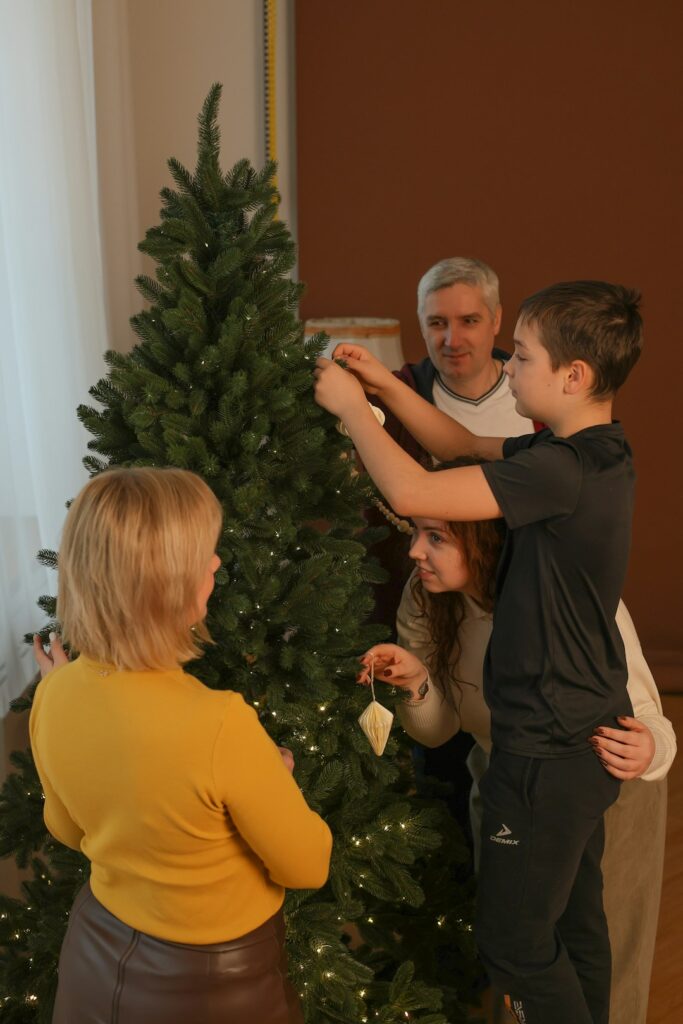
Holidays in assisted living can be joyful, familiar, and personal, even when traditions need to change. The most successful celebrations usually focus less on elaborate decorations or large gatherings and more on comfort, connection, choice, and meaningful participation.
For residents and families in Berwyn, PA, holiday planning may also involve winter weather, travel conditions, limited space, health considerations, and the practical routines of communal living. A thoughtful plan can help residents enjoy the season without feeling overwhelmed.
How can residents celebrate holidays in assisted living?
Residents can celebrate through familiar traditions, small gatherings, music, food, spiritual practices, crafts, storytelling, and visits with family or friends. Celebrations do not need to be large to feel meaningful.
A holiday may be observed in several ways:
- Decorating a room or shared living area
- Displaying family photographs or handmade decorations
- Listening to favorite seasonal music
- Watching familiar holiday programs or films
- Baking or preparing a traditional recipe with assistance
- Writing cards or recording messages for relatives
- Attending a religious service or seasonal ceremony
- Sharing memories during a family visit
- Participating in a community meal or activity
- Calling relatives who cannot visit in person
Residents should be encouraged to choose the traditions that matter most to them. Some people enjoy group activities, while others prefer quiet time, a private visit, or a familiar routine.
How can families make holiday visits comfortable?
Short, well-planned visits are often more enjoyable than long gatherings that leave a resident tired. Families should consider the resident’s energy level, hearing or vision needs, mobility, and usual daily schedule.
Before visiting, family members can ask about:
- Preferred visiting hours
- The number of visitors allowed at one time
- Available private or shared gathering areas
- Holiday meal policies
- Infection-control precautions
- Whether children or pets may visit
- Accessibility for wheelchairs, walkers, or other equipment
A calm visit may include two or three familiar people rather than a crowded room. Visitors should speak clearly, reduce background noise, and allow extra time for responses. If a resident becomes tired, confused, or irritable, the visit may have gone on too long. Ending on a positive note is often kinder than extending the gathering.
For relatives traveling during winter, weather and road conditions may affect plans. A backup option, such as a phone or video call, can prevent disappointment if travel becomes difficult.
What holiday decorations are safe in assisted living?
Safe decorations are lightweight, stable, and easy to remove. They should not block hallways, exits, doorways, vents, sprinklers, or mobility equipment.
Good choices may include:
- Battery-operated candles rather than open flames
- Small artificial arrangements
- Paper snowflakes or handmade ornaments
- Removable window decorations
- Family photographs
- A small tabletop tree secured in a stable container
- Soft, non-breakable ornaments
- Battery-powered string lights approved for indoor use
Residents and families should ask about building rules before bringing decorations. Some communities restrict extension cords, heated decorations, live greenery, scented items, or electrical equipment. Strong fragrances may also cause discomfort for residents with asthma, allergies, headaches, or sensitivity to smells.
Avoid glass ornaments, loose rugs, candles, overloaded outlets, and decorations that create tripping hazards. Decorations should reflect the resident’s preferences without making the room difficult to navigate.
How can holiday meals be adapted for residents?
Holiday foods can often be included, but recipes may need to fit dietary restrictions, swallowing needs, diabetes management, allergies, or medication-related requirements. A favorite food should not be assumed to be safe simply because it is traditional.
Families can ask whether a resident follows:
- A modified-texture or thickened-liquid diet
- A low-sodium or carbohydrate-controlled plan
- A food-allergy protocol
- A fluid restriction
- A physician-ordered nutritional plan
- A personal eating schedule
Portion size and texture may matter as much as ingredients. Soft versions of familiar foods can sometimes be easier to manage than rich, dry, sticky, or hard-to-chew dishes.
Alcohol also deserves careful consideration. It may interact with medications, affect balance, or worsen confusion. Any alcoholic beverage should be discussed with the resident’s care team before it is offered.
A holiday meal can remain meaningful even when the menu changes. The familiar smell, table setting, family recipe, or shared story may be more significant than serving the exact original dish.
How can residents who have memory loss participate?

Residents with memory loss can still enjoy holidays, although large gatherings, unfamiliar settings, and complicated conversations may cause stress. Activities should emphasize sensory comfort and participation rather than testing memory.
Helpful approaches include:
- Looking through labeled family photographs
- Folding napkins or arranging simple decorations
- Listening to music from the resident’s younger years
- Smelling familiar spices or baked goods
- Holding a soft ornament or seasonal object
- Sharing short stories without correcting small inaccuracies
- Repeating a favorite tradition in a predictable setting
Questions such as “Do you remember who gave you this?” may create pressure. A gentler approach is to say, “This ornament has been in the family for many years,” and allow the resident to respond naturally.
If a resident becomes upset, reducing noise, moving to a quieter space, offering a drink, or returning to a familiar routine may help. Holiday activities should never be forced.
How can cultural and religious traditions be respected?
Assisted living residents may observe Christmas, Hanukkah, Kwanzaa, other religious holidays, cultural celebrations, secular traditions, or no holidays at all. Staff and family members should avoid assuming that every resident wants the same type of celebration.
Respectful planning begins by asking the resident:
- Which holidays are meaningful?
- Which traditions should continue?
- Are there foods, prayers, songs, or objects that are important?
- Are there practices the resident no longer wishes to observe?
- Would the resident prefer private or group participation?
Religious objects should be handled respectfully and placed where the resident can access them safely. If a resident cannot attend a service, family members may help arrange an approved alternative, such as a reading, prayer, recorded service, or quiet observance.
What should families do if a resident feels lonely during the holidays?
Loneliness may increase when a resident cannot travel, has recently lost someone, or remembers earlier holidays with sadness. Families should not assume that cheerful activities will solve the problem.
A direct conversation can help: “What part of the holidays feels hardest this year?” The resident may want company, but may instead need help with grief, fatigue, pain, or a change in expectations.
Meaningful support may include:
- A regular phone call at a predictable time
- A personal letter or familiar photograph
- A small visit focused on conversation
- A favorite meal adapted to current needs
- Sharing a family story
- Helping the resident send greetings to others
- Including the resident in a decision about decorations or activities
Residents should be allowed to decline celebrations. Choosing a quiet day is also a valid way to observe the season.
How can families plan after the holidays?
The days after a holiday can be emotionally and physically tiring. Families can help by returning decorations gradually, restoring the resident’s normal routine, and checking for fatigue or changes in mood.
Winter conditions may also make follow-up visits harder, so a simple plan for calls, transportation, medication routines, and indoor activities can be useful. The most meaningful holiday traditions are often the ones that can continue in modest form throughout the year: sharing music, looking at photographs, cooking familiar foods, and making time for conversation.
